
Categories: Interior Design, Renovation,
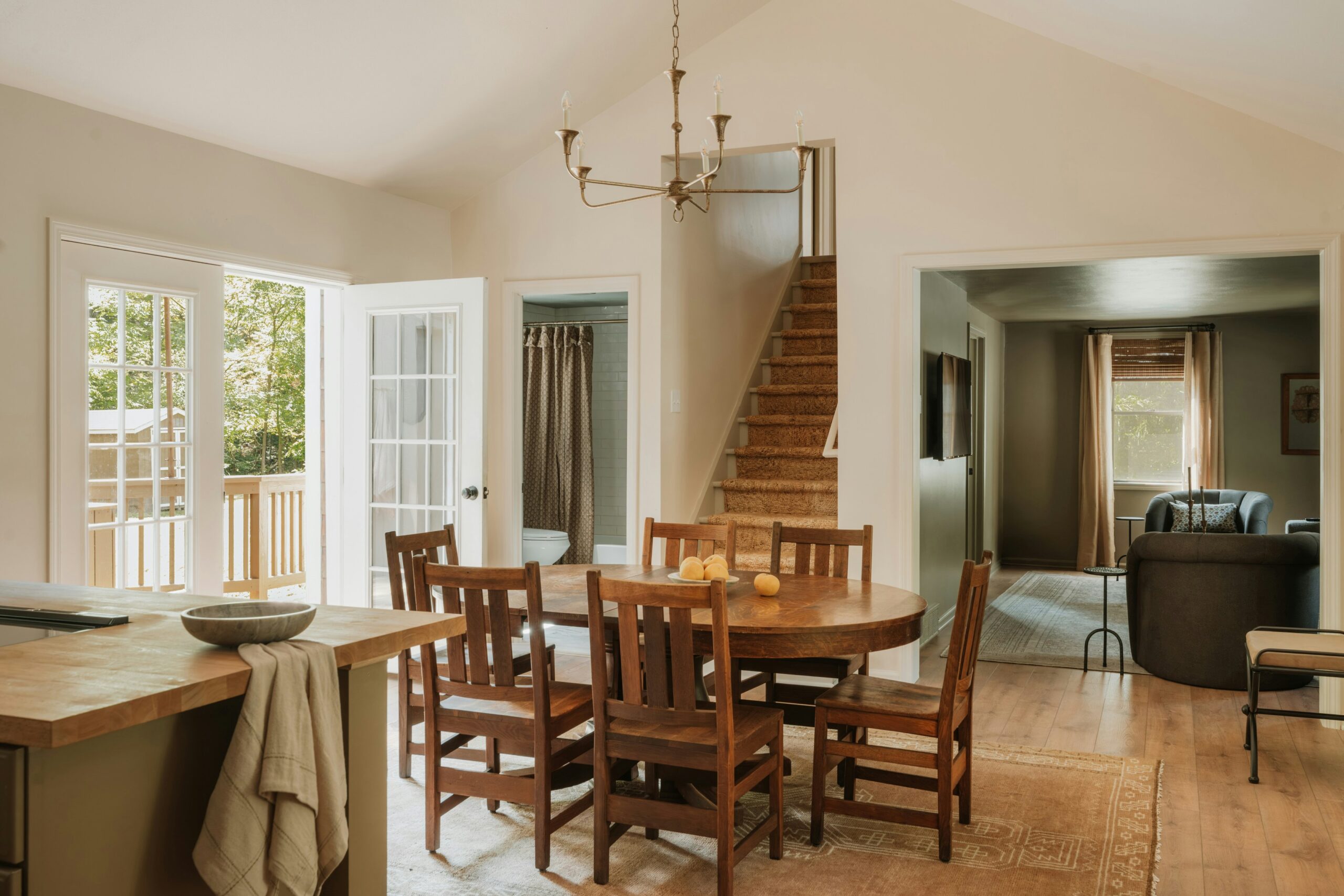
When planning a dream home makeover, one of the most popular transformations is to combine living and dining spaces. This renovation trend creates a more open, functional, and inviting area, perfect for modern lifestyles that value flow and flexibility. Whether you’re working with a modest house or considering house extensions in Adelaide, this guide from Get Ready to Renovate will help you seamlessly merge your living and dining rooms while maximising space, light, and comfort.
If you’re interested in exploring renovation ideas and services, visit our homepage to start planning your project.
Why Combine Living and Dining Spaces?
The traditional layout of separate rooms for dining and living can feel restrictive, especially in smaller homes. Combining these two areas offers several advantages:
- Improved flow and functionality: Open spaces allow for easier movement and communication.
- Enhanced natural light: Removing walls lets sunlight penetrate deeper into your home.
- Modern aesthetic: Open-plan living is a contemporary design choice that adds value.
- Flexible usage: A combined space can serve multiple purposes, from family gatherings to entertaining guests.
When executed well, combining these areas can transform the heart of your home into a versatile, welcoming environment.
Planning Your Open Living-Dining Space Renovation
Successful renovations begin with careful planning. Here are key considerations to help you design a space that meets your needs:
1.Assess Your Current Space
Before knocking down walls, evaluate the layout of your existing rooms:
- Measure dimensions accurately.
- Note any structural elements, such as load-bearing walls or beams.
- Identify plumbing and electrical points.
2. Define Functional Zones
Even within an open plan, it’s important to maintain some separation between living and dining functions:
- Use furniture placement to delineate areas.
- Consider area rugs or different flooring to visually separate spaces.
- Lighting can create atmosphere and define zones.
3. Choose a Consistent Style
To unify the space, select a cohesive colour palette, materials, and décor style. This helps the combined room feel harmonious rather than disjointed.
4. Structural Considerations
If your renovation involves removing walls, especially load-bearing ones, consult a structural engineer or qualified builder. In some cases, adding house extensions in Adelaide may be a better option to increase space without compromising your home’s integrity.
Design Tips to Combine Living and Dining Areas
Use Furniture as Dividers
- Position sofas or bookshelves strategically to create natural boundaries.
- A dining table can serve as a visual and functional divider.
- Low-profile furniture maintains openness while segmenting the space.
Play with Lighting
- Layered lighting ambient, task, and accent helps define different functions.
- Pendant lights over the dining table and softer, diffused lighting in the living area work well together.
Flooring Choices Matter
- Consistent flooring materials throughout the space enhance the open feel.
- Alternatively, using contrasting textures or patterns can subtly mark different zones.
Integrate Storage Solutions
- Incorporate multifunctional furniture with built-in storage.
- Use shelving units to break up space without blocking light or sightlines.
Benefits of House Extensions in Adelaide for Open Plan Living
For homeowners with limited internal space, house extensions in Adelaide provide an excellent way to expand living and dining areas. Extending your home can:
- Add square footage to accommodate larger gatherings.
- Improve property value by increasing usable space.
- Allow for custom designs that perfectly suit your lifestyle.
Extensions also offer the flexibility to tailor the layout, incorporate modern amenities, and enhance natural lighting.
Dream Home Makeover: Combining Style and Practicality
A dream home makeover is about creating a space that reflects your personality while improving comfort and functionality. When combining living and dining spaces, balance is key:
- Prioritise comfortable seating for both dining and lounging.
- Choose durable materials suitable for everyday use.
- Consider acoustics, especially if the area will host lively conversations and entertainment.
By integrating thoughtful design elements, your combined living-dining space can become a true centrepiece of your home.
Common Challenges and How to Overcome Them
Noise Control
Open-plan areas can amplify sound. Use textiles like curtains, cushions, and rugs to absorb noise and create a cozy atmosphere.
Heating and Cooling
Larger, open spaces can be harder to regulate temperature-wise. Installing zoned HVAC systems or ceiling fans helps maintain comfort.
Maintaining Privacy
For activities requiring privacy, such as work or study, incorporate flexible room dividers or sliding panels that can close off sections temporarily.
Steps to Start Your Renovation Project
1. Consult professionals: Engage architects, builders, or renovation specialists early.
2. Set a realistic budget: Factor in potential structural changes and finishing details.
3. Obtain necessary permits: Check local regulations, especially for extensions or major modifications.
4. Plan the timeline: Coordinate demolition, construction, and finishing phases.
5. Select materials and finishes: Choose quality products that match your style and durability needs.
For specialised renovation services, including advice on house extensions in Adelaide, visit our services page.
Conclusion
Combining living and dining spaces during renovations is an effective way to modernise your home, improve functionality, and create an inviting atmosphere for family and friends. Whether you’re pursuing a dream home makeover or considering house extensions in Adelaide for more room, careful planning and thoughtful design are essential for success.
If you’re ready to start your renovation journey, feel free to contact us for expert guidance and tailored solutions that match your vision and lifestyle.